Playful Cat: A Purrfect Display Font for Creative Projects
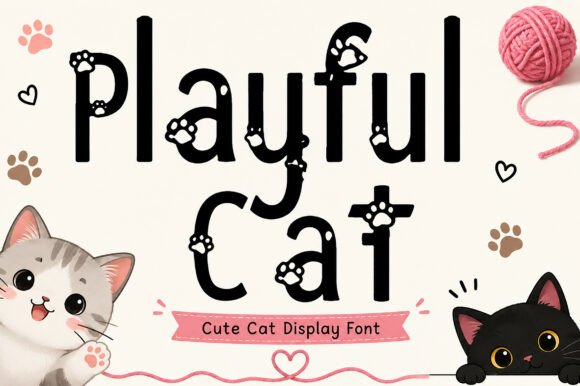
Every designer knows the moment you find a typeface that doesn’t just hold words but embodies a feeling. For projects aimed at a younger demographic or the massive pet lover market, that feeling is often warmth, fun, and approachability. This is exactly where Playful Cat excels. It is more than just a collection of glyphs; it is a thematic display font that infuses every letterform with the charm of a mischievous kitten. By integrating subtle paw-print details and soft, rounded geometry, this typeface offers an immediate visual hook that standard sans serif or serif fonts simply cannot provide.
The visual personality of this typeface is distinct. Unlike rigid geometric designs, Playful Cat leans into organic shapes, mimicking the soft curves of a cat’s posture. The defining feature—the paw-print accents—adds a layer of texture without overwhelming the legibility. This makes it a powerful tool for branding where distinctiveness is key. It occupies a specific niche: it is a premium font that bridges the gap between a script font and a handwritten font, offering the structure needed for headers while maintaining the casual energy of a doodle.
Strategic Applications: Where Playful Cat Shines
Understanding where to deploy a display font like this is crucial for maintaining professionalism. Because of its intricate details, Playful Cat is not intended for body copy or long-form reading. Instead, it serves as a high-impact tool for headlines, logos, and short bursts of text. In the realm of packaging design, particularly for boutique pet products or artisanal cat treats, this font instantly communicates the product's character. It tells the customer, "This brand is fun and loves animals," before they even read the label text.
For small business owners in the pet industry, logo design is often a hurdle. Finding a typeface that feels custom without the custom price tag is difficult. Playful Cat solves this by offering a unique aesthetic that aids in brand recognition. When used on a storefront sign or a business card, the specific silhouette of the letters creates a memorable visual anchor. It works exceptionally well for:
- Pet Shop Branding: Creating a welcoming atmosphere for local groomers, veterinarians, and boutiques.
- Children’s Products: Designing labels for toys, books, and educational materials that need a friendly touch.
- Social Media Graphics: Crafting thumb-stopping headers for Instagram stories or Pinterest pins where visual personality drives engagement.
- Merchandise: Applying to T-shirts, tote bags, and stickers where the design needs to stand out from a distance.
Furthermore, the crafting community has found immense value in this typeface. For Cricut users and sublimation designers, the distinct outlines cut cleanly, making it ideal for physical products like greeting cards and custom stickers. The "fun factor" of the font translates perfectly into physical goods, adding a handcrafted feel that resonates with buyers on platforms like Etsy.
Design Mechanics: Pairing, Hierarchy, and Readability
The success of any brand identity relies on a balanced typographic hierarchy. While Playful Cat is a creative font with high visual appeal, it requires a supporting cast to function effectively. The most effective strategy is contrast. Because Playful Cat has high personality and texture, it pairs best with clean, neutral typefaces. A geometric sans serif font or a traditional serif font for body text provides the necessary breathing room, allowing the display font to grab attention without causing visual fatigue.
For example, in editorial design for a pet magazine, you might use Playful Cat for the cover headline and pull quotes, but switch to a highly readable sans serif for the article text. This ensures the layout feels dynamic yet organized. In web design, this font is best reserved for H1 or H2 headers. Using it for navigation menus or mobile interfaces can lead to usability issues due to the detailed nature of the letterforms at smaller sizes.
Evaluating Fit and Commercial Utility
Before integrating a new typeface into your toolkit, evaluating the project fit is essential. Ask yourself: does the tone of the project require whimsy? If you are designing a corporate law firm website, Playful Cat is obviously the wrong choice. However, if you are creating a flyer for a local cat adoption event or designing a logo for a cat cafe, it is arguably the perfect design asset.
When testing the font, pay attention to the visual hierarchy. Does the headline command the eye? Does the weight of the font support the message? Playful Cat often works best when given space; kerning (the space between letters) may need slight adjustment depending on the size to ensure the paw details don’t collide, though the font designer usually optimizes this.
For those working on commercial projects, licensing is a critical component of modern typography usage. Ensuring that your commercial font license covers your specific output—whether that is digital goods, print-on-demand, or large-scale manufacturing—is non-negotiable. Playful Cat is designed to be versatile across these mediums, but checking the specific terms of use protects your business and respects the creator's work.
Ultimately, choosing a font is about storytelling. Whether you are a blogger writing about feline nutrition, a crafter selling handmade jewelry, or a marketer building a new pet food startup, the typeface you choose speaks volumes. Playful Cat offers a specific, charming narrative. It invites the audience to smile, relax, and engage with the content. By using it strategically within the right context, you can elevate a standard project into something that feels truly special and connected to the cat-loving community.